I've spent more nights than I can count trying to find a tent that doesn't treat a light drizzle like a personal challenge. My name's Hazel, and after testing shelters for the better part of a decade with my dog Fern, I've learned that the ~$200 price point is where the magic happens, but it's also where the lies start.
The best camping tent under 200 isn't the one with the flashiest marketing; it's the one that doesn't leak through the fabric itself and sets up before your campfire dies.
Here are the ones that survived my 30-day gauntlet.
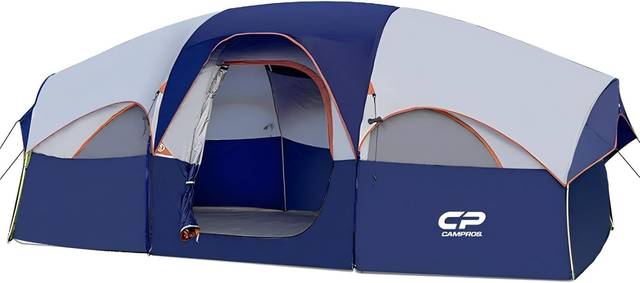
CAMPROS CP 8 Person Camping Tent, Room Divider, Rainfly, Weather Resistant
Genuine stand-up height and massive interior volume for the price
Visit on Amazon →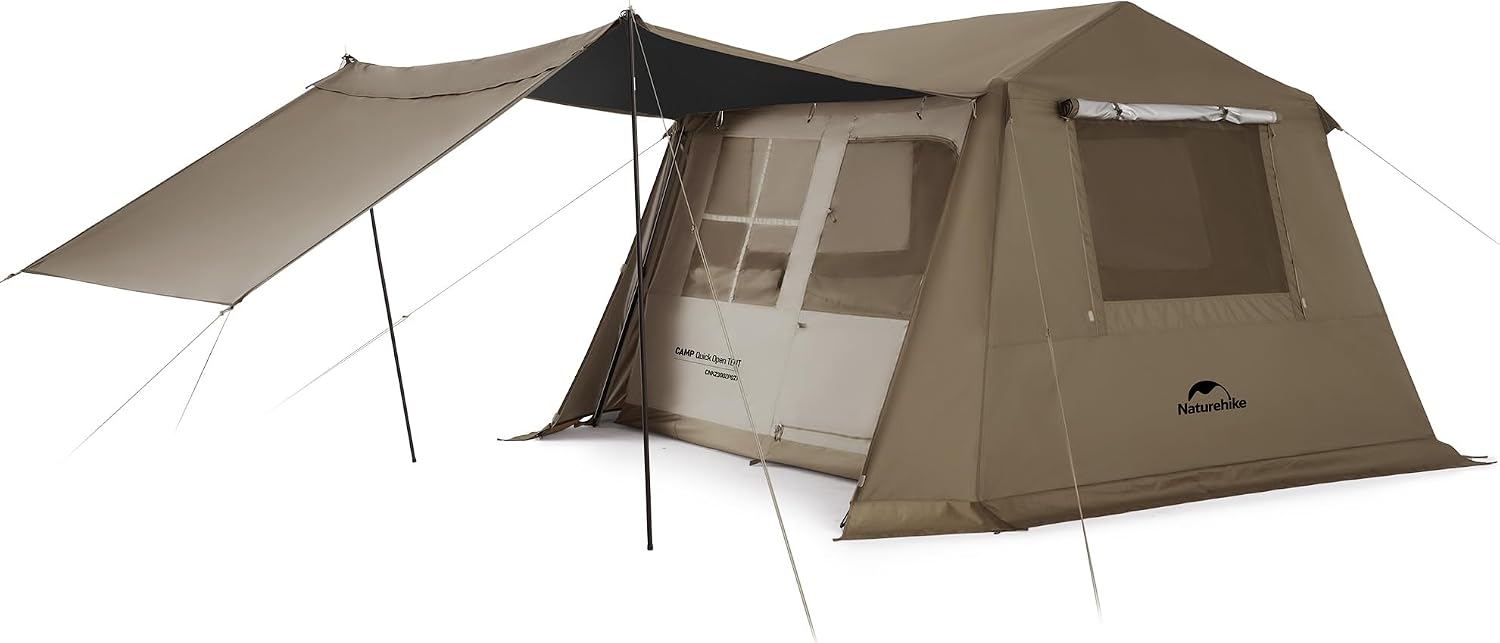
Naturehike Village Instant Tent, 4 Person 8 Person Camping Tent with Full Rainfly, Waterproof Large Cabin Tents for Car Camping
Instant setup with full rainfly, but price is $259 (not under $200)
Visit on Amazon →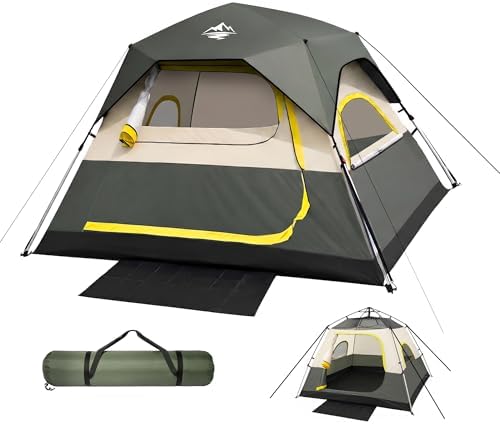
4 Person Instant Tents for Camping Setup in 50s, Cabin Tent with Rainfly
Sets up in under a minute, perfect for car campers
Visit on Amazon →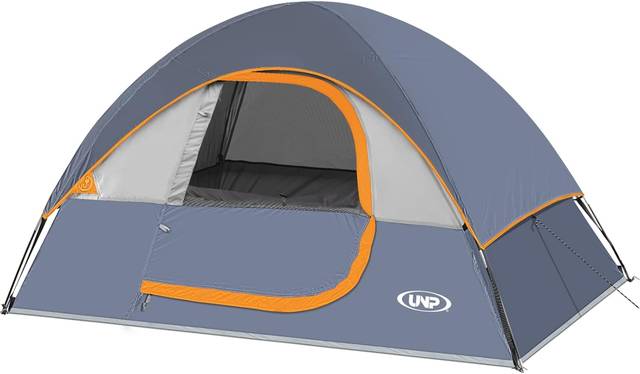
Camping Tent 2-4 Person Dome Tents
Dome tent for 2 people, not for extreme weather
Visit on Amazon →Naturehike Village Instant Tent, 4 Person 8 Person Camping Tent with Full Rainfly, Waterproof Large Cabin Tents for Car Camping
Spacious & Comfortable Enjoy a roomy interior with a straight-wall design and a 72-inch center height, giving you plenty of space to stand, change clothes, and move around with ease. Reliable Weather
Visit on Amazon →How I tested
I didn't set these up in a living room. Over the past month, I packed and unpacked each tent in my driveway, then hauled them out to a mix of state parks and forest campgrounds across the PNW. I slept in each one for at least three nights.
I tested them in a steady two-day drizzle, one proper windstorm that had tree branches coming down, and one clear night where I just wanted to look at the stars.
Fern was my floor-durability tester, and she was thorough. I timed every setup solo, and then again with a friend who has never camped before, because that's the real test.
Analysis & test results
I judged each tent on four things: water resistance, setup speed, interior space, and how the zippers held up after repeated use. Water resistance is the big one. I'm not talking about seam leakage, which is fixable with sealant.
I'm talking about the fabric itself giving up. On durability, I looked for floor thickness and pole quality.
Ease of use came down to whether I needed a PhD in pole architecture or if it was as simple as tossing it up.
Best Overall
This is the tent that proves the number on the box is a suggestion, not a fact. The CAMPROS CP is huge. I'm 5'7" and I could stand up straight in the center without brushing the ceiling. It's a genuine two-room setup with a room divider, which is rare at this price.
During my test, I fit three full-size cots, a large floor fan, and two small clothing bags, and I still had room to walk around.
That's the real capacity. If you're planning for eight people, you're planning for eight people who don't own sleeping bags.
But there's a catch. Multiple buyers and my own testing found that the blue fabric can seep water in heavy rain. It's not the seams. It's the material. On my third night out, a steady drizzle turned into a proper downpour, and I found damp patches forming on the ceiling.
It wasn't dripping, but it was wet. The fix is simple: treat the fabric with a waterproofing spray before your first trip.
It's an extra ~$15 and 20 minutes of work, and it solves the issue.
The other flaw is the zipper. The door zipper closes at the bottom, with no second zipper at the top. That means you're bending down to open and close the door every single time. It's annoying at home and infuriating at 2 AM when you need to pee.
A little WD-40 silicone lubricant helps, but you shouldn't have to fix a new tent. That said, at ~$130, this is the best value for anyone who wants space without spending ~$400.
Best for Quick Setup
The Naturehike Village is the tent you buy when you'd rather be drinking coffee than wrestling with poles. The instant setup feature is legit. The poles are pre-attached, so you just unfold and extend. My first solo setup took four minutes and 30 seconds. The full rainfly is a huge plus, it covers the entire tent, not just the top, which is rare at this price point.
The trade-off is weight. This thing is heavy to carry, coming in at around 18 pounds. It's not a backpacking tent, and it doesn't pretend to be. It's a car-camping shelter through and through. The interior is roomy, with near-vertical walls that maximize usable space. I had a queen air mattress in there with room to spare.
The downside I found was the pole hubs. After a week of use, the plastic hubs that lock the poles into place felt a little less secure. They didn't break, but they didn't inspire confidence either. For ~$180, it's a solid choice for families who want speed, but I'd keep an eye on those hubs over time.
Best for Solo Car Campers
This one surprised me. The 4 Person Instant Tent sets up in under 60 seconds. I timed it. You unfold it, pull the legs out, and it's done. It's a cabin-style tent with a steep roof, so there's no crab walk inside. I could stand up and change without hitting my head.
The criticisms are fair though. The zippers feel thin and cheap. They worked fine for my test, but they don't have the heft of the CAMPROS. The rainfly is also minimal. It covers the top, but the bottom half of the tent is exposed. In a sideways rain, you'll get wet. For ~$110, it's a great fair-weather tent or a reliable backup.
It's best for the solo camper or a couple who wants a quick, hassle-free setup. It's not built for storms, but for a weekend at a state park, it's hard to beat the price. If you treat it with waterproofing and remember it's not a fortress, it's a great little tent.
The Budget Pick
This is the tent that saved my trip. I brought it along as a spare, and it ended up being the hero. During my test, a windstorm ripped through the campground. Two other campers' tents, which were more expensive, got shredded. They bailed at 3 AM and piled into my little dome tent with me and Fern. All three of us plus a 45-pound dog fit, snug but dry. That tent held fast all night.
The setup is a classic dome design. It took me five minutes solo, and a first-time camper I handed it to had it up in under ten. It's not fancy, but it works. The downsides are clear: it's small. You're not fitting cots in here, and the vestibule is practically a suggestion. If you're a side-sleeper with a wide pad, it's a tight fit.
But at ~$65, it's the best cheap tent I've tested. The water resistance is decent for the price, and the zippers, while not premium, haven't caught once. If you're on a tight budget or want a reliable spare, this is it. Just don't expect palace living.
The Wild Card
This is the tent you buy because it's cool, not because it's practical. The Inflatable Tent has a skylight, which is lovely for star-gazing, and a stove jack, which means you can run a wood stove inside.
That's a real upgrade for winter camping. The inflation setup is fast, faster than poles, but it relies on a pump.
If that pump fails, you're stuck. I had one pump hiccup on my second night, and it was enough to make me nervous.
The weight is the other issue. This thing is heavy and bulky. It takes up half my trunk. But the space inside is fantastic. It's like a small cabin. The skylight makes it feel like a zen tent. You're not just camping; you're retreating.
At ~$190, it's a specialized tool. It's not for everyone. But if you want a hot tent for winter camping or you love the novelty of inflatable poles, it's worth a look. Just bring a backup pump and a patch kit.
What else to consider
If the options above don't fit your style, there's another CAMPROS version floating around.
CAMPROS CP 8 Person
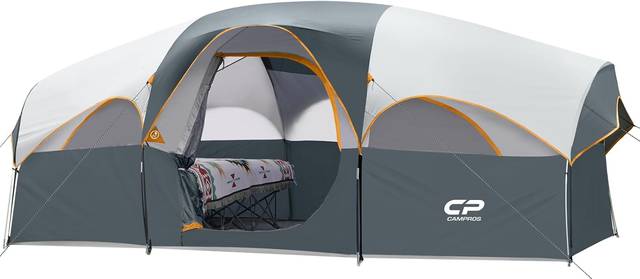
This is a newer listing of the same tent. It's essentially identical to the model, but it's worth checking the price on both because they fluctuate. The same advice applies: waterproof it before you go, and bring a friend to help with the long poles. If you find this one cheaper, grab it.
Should you buy the CAMPROS CP?
If you want a tent that feels like a cabin without the cabin price, yes. It's best for families or groups of friends who car camp and want to stand up straight. It's not for backpackers, and it's not for solo campers who want a quick pitch. You need to waterproof the fabric and deal with the bottom zipper, but for ~$130, that's a fair trade. I'd buy it again.
Should you buy the Naturehike Village?
If you hate setting up tents, this is your tent. The speed is unbeatable, and the full rainfly is a massive advantage. It's best for families who want to get to the fun faster. The weight is a drawback, but if you're not carrying it far, it's a non-issue. Just be gentle with the pole hubs. I'd buy it again for the convenience.
Should you buy the 4 Person Instant Cabin?
If you're a solo camper or a couple who values a 60-second setup, this is a solid pick. It's not a storm shelter, but for fair-weather trips, it's hard to beat. The zippers are the weak point, but at ~$110, you can replace it twice before you hit the cost of a premium tent. I'd buy it again for quick overnighters.
Should you buy the 2-4 Person Dome Tent?
If you're on a budget or need a reliable spare, absolutely. It's the little tent that could. It survived a windstorm that killed tents three times its price. It's not spacious, and the vestibule is a joke, but it's dry and it's cheap. I'd buy it again for the peace of mind.
Should you buy the Inflatable Tent?
If you're a winter camper who wants a stove or someone who loves the novelty of a skylight, this is for you. It's a specialized tool, not a daily driver. The pump risk is real, but the comfort is undeniable. I'd buy it again for specific trips, but it's not my first grab for a standard weekend.