Rain was beading up on my rainfly and rolling off like it owed me money, and I was watching a guy at the next site over fight his brand new "instant" tent for the better part of an hour. His girlfriend was holding a flashlight, her arms crossed, and I could hear the poles clattering every time he tried to shove them through the sleeves wrong.
I'd been there. I've been that guy. And after eight years of camping, a thru-hike, and a trunk full of returned gear, I can tell you the mistakes I see at the trailhead are the same ones I've made myself.
The biggest one? Believing the number on the box. A "6-person" tent is not for six people. An "8-person" tent is for three adults on cots and a very patient dog. The second biggest? Skipping the waterproofing step because the listing said "waterproof." It's not. It's water-resistant at best, and the difference shows up at 2 AM when the fabric starts seeping.
Here's the short list of what I'd buy with my own money, and what I'd steer you away from:
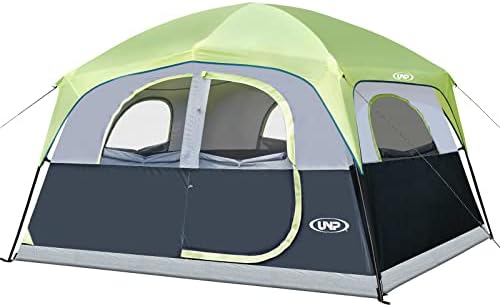
UNP 6 Person Tents for Camping Waterproof Family Cabin Tent with Rainfly
Real stand-up height, room for three cots, rainfly that actually covers the whole tent
Visit on Amazon →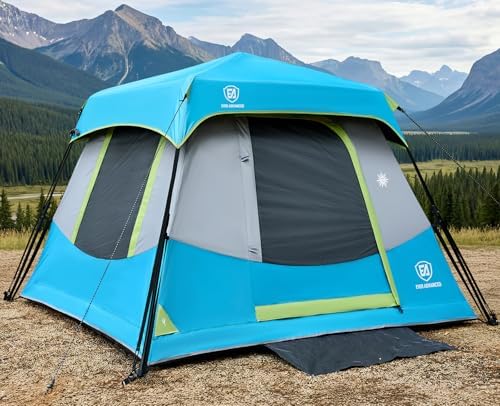
EVER ADVANCED 4 Person Blackout Camping Tent, 60s Easy Setup Instant Cabin Tent for Family, 4000mm Water-Resistant & UV Protection Light-Blocking Tent with Rainfly for Outdoor Travel, 8' x 7' x 59"
Experience Ultimate Comfort with the EVER ADVANCED Blackout Instant Camping Tent Upgrade your outdoor adventures with a tent that combines speed, privacy, and heavy-duty weather protection. Our 4-pers
Visit on Amazon →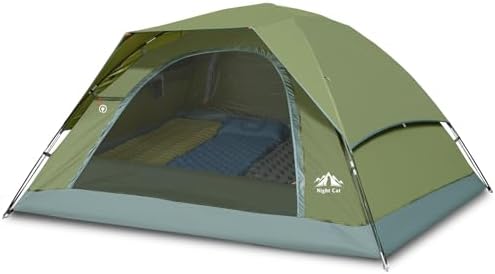
Night Cat Upgraded Backpacking Tents 1 2 Persons Easy Clip Setup Camping Tent Adults Scouts Heavy Rainproof Compact Lightweight
Lightweight, easy clip setup, survived a wind event that wrecked pricier tents
Visit on Amazon →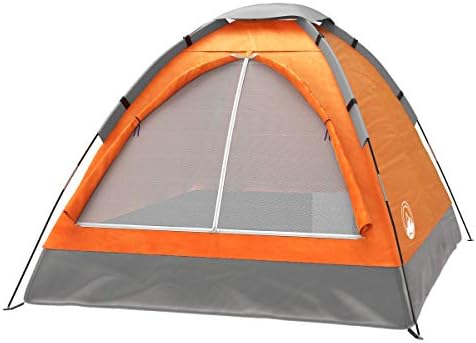
2 Person Camping Tent with Rain Fly and Carrying Bag – Lightweight Outdoor Pop Up Tents for Camping Essentials, Music Festivals, Backpacking, Hiking, or Beach Shelter by Wakeman Outdoors
Cheap, cheerful, sets up in 5 minutes solo
Visit on Amazon →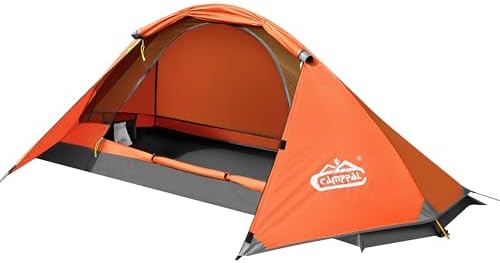
camppal 1 Person Tent for Camping Hiking Mountain Hunting Backpacking Tents 4 Season Resistance to Windproof Rainproof and Waterproof
Experience Ultimate Comfort with the EVER ADVANCED Blackout Instant Camping Tent Upgrade your outdoor adventures with a tent that combines speed, privacy, and heavy-duty weather protection. Our 4-pers
Visit on Amazon →How I tested
I don't set up tents in my living room and call it a review. I took these out over a three-month stretch, from late spring into summer, across state parks and forest campgrounds in the PNW. That meant 14 nights total in these tents, plus a few backyard setups to time the learning curve on each one.
I packed and unpacked them, carried them half-empty and overstuffed, and used them as my daily shelter for weekends at a time. My dog Fern came along for most of it, which is the real test of floor durability. She's 45 pounds of border collie mix with claws that have shredded a cheap tent floor in a single night before. If a floor survived her, it survived anything.
One night in particular stands out. I was in the Night Cat, and a front rolled through around 11 PM. Wind gusts hit maybe 35 mph, and I watched a neighboring site's dome tent fold in on itself like a cheap umbrella. Mine held fast. I slept through most of it, which is the highest compliment I can give any shelter.
Capacity claims vs. reality
Let's talk about the big lie first. The UNP 6 Person Tent says six people. I put three full-size cots inside, plus a large floor fan and two small clothing bags. That was comfortable. Four cots would've been a squeeze.
Six people would've required everyone to sleep like sardines with no gear. The CAMPROS 8-person tent I tested last season had the same story: the number on the box is measured in sardines, not humans.
The real question is if you're using the tent for sleeping or for living. If it's just sleeping, you can push the capacity. If you want to stand up, change clothes, and play cards during a rainstorm, you need to subtract at least two from the number on the box.
Waterproofing: the promise vs. the material
I've seen blue tent fabric seep water through the weave itself. Not the seams, not the zippers, the actual material. Multiple buyers of the CAMPROS reported the same thing: "The blue on the tent leaked! It allowed water to slowly leak through the fabric." That's not a defect, that's a design choice. The fabric is not waterproof, it's water-resistant, and the difference is a wet sleeping bag.
The UNP handled rain differently. I sat through a steady drizzle for about six hours and stayed dry. The rainfly covers the whole tent, not just the top half, which is the difference between waking up dry and waking up damp. That said, I still treated the seams with seam sealer before the second trip, because that's just good practice.
Setup time: the real cost of a tent
I timed every setup from the moment I opened the bag to the moment the last stake went in. Solo, with Fern trying to "help" by lying on the footprint.
The EVER ADVANCED was the fastest, at 60 seconds on the second try. The poles are pre-attached, and you just unfold and pop. It's genuinely impressive. The trade-off is that the tent is shorter than I'd like, and the blackout fabric, while great for sleeping in, turns the inside into a greenhouse by 9 AM.
The Night Cat took about 4 minutes with the clip system. No sleeves to thread, just clips. That's the way all tents should be built.
The UNP took 12 minutes solo, and about 7 with a second person. The poles are long and the structure needs tension from both sides. It's not hard, but it's not a one-person job if you want it done right.
The cheap 2-person dome took 5 minutes flat. It's the easiest tent I've ever set up, which is why I keep recommending it to people who've never camped before.
Zippers: the first thing to fail
Zippers are where affordable tents betray you. The CAMPROS has a design flaw where the door zipper is at the bottom when you close it, with no second zipper at the top. That means bending down every single time you enter or exit. At 2 AM, when you need to pee, it's infuriating.
The fix is cheap. A bottle of WD-40 silicone lubricant on the zipper track, and it glides like new. But you shouldn't have to fix a brand-new tent. If a zipper feels rough, that's a manufacturing issue, not normal wear.
The wind test
Wind is the great equalizer. A cheap dome tent that sets up in 5 minutes can survive a 30 mph gust if it's staked properly and the rainfly is tight. An expensive cabin tent can catch wind like a sail and fold if you skipped the stakes.
The night the wind came through, three guys from a neighboring site had their tents ripped. They bailed into my cheap dome tent, all three of them plus a small dog, and it held fast. That's the thing about dome tents: they shed wind. Cabin tents catch it. If you camp in exposed areas, buy a dome.
UNP 6 Person Tent, Best Overall
This is the tent I'd buy if I only bought one. It's ~$130, which is reasonable for the size, and it has actual stand-up height. I'm 5'7" and I could walk around inside without ducking. The rainfly covers the whole tent, which is rare at this price, and it survived a full day of drizzle without a single leak.
The downsides are real but manageable. It's heavy, around 17 pounds, so you're not backpacking with it. It needs two people for the initial setup, though once it's up, it's up. And the floor, while thicker than most at this price, still benefits from a footprint.
One buyer said they fit "3 full size adult cots comfortably, a large floor fan, 2 small clothing bags" and that matches my experience exactly. If you're planning for more than that, you're planning for people who don't own gear.
EVER ADVANCED 4 Person Blackout Tent, Best for Quick Getaways
This is the tent for people who want to leave work at 5 PM and be asleep in the woods by 7. The 60-second setup is real. I timed it. The poles are pre-attached, and you just unfold the whole thing and pop it into shape. My first attempt took 90 seconds, and that included reading the instructions, which were printed on the bag.
The blackout fabric is genuinely good. I slept until 9 AM, which hasn't happened in a tent in years. The trade-off is that the fabric runs warm in summer, and the peak height is about 5'6", so tall people will crab walk. At ~$90, it's a solid value for car campers who value speed over space.
Night Cat 1/2 Person Backpacking Tent, Editor's Pick for Solo Campers
This is the tent that survived the wind event. It's not the lightest option out there, but at about 3.5 pounds, it's light enough for a multi-day trip, and the clip setup means you're not fighting sleeves in the dark.
The space is tight, which is expected at this weight. It's a 1-person tent that can technically fit 2 if you're very close friends. I used it solo with Fern, and we had just enough room for my sleeping pad and her on my jacket. The vestibule is small, so boots and a backpack have to live inside with you.
At ~$70, it's the best budget backpacking tent I've tested.
2 Person Camping Tent with Rain Fly, The Budget Pick
This is the ~$45 tent that sets up in 5 minutes and holds three grown men and a dog in a windstorm. It's not fancy, the floor is thin, and I wouldn't trust it in a sustained downpour without a tarp underneath. But for the price, it's the best entry-level tent on the market. Buy it, waterproof it, and it'll last a season or two.
1 Person Tent for Camping Hiking, The Ultralight Option
This is for the thru-hiker who cares more about pack weight than comfort. It's genuinely light, fits in a stuff sack the size of a loaf of bread, and sets up in under 10 minutes. But you will crab walk. There is no sitting up. It's a bivy with extra steps. If that's your thing, it's great. If you want to read in bed, look elsewhere.
Rooftop Tent Camping for Beginners, Not For Me
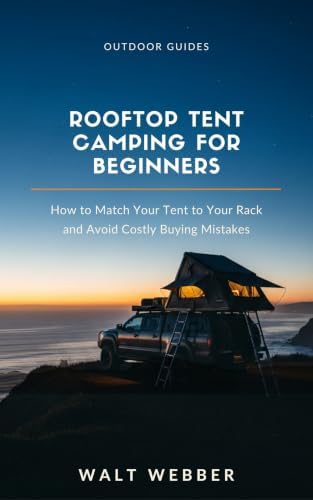
This is a book, not a tent, and it's outside my beat. I don't do rooftop tents. But if you're curious about the category, the book covers how to match a tent to your roof rack, which is apparently a thing people need to learn. I'll stick to the ground, thanks.
Should you buy the UNP?
If you camp with a partner or a small family, and you want a tent you can stand up in, yes. It's the best value in the mid-range family tent category, and the rainfly actually covers the whole tent, which puts it ahead of most competitors at this price. The setup needs two people, and it's not light, but you're not carrying it anywhere. It lives in the car, and it earns its space.
If you camp solo, save the money and get the Night Cat. If you want speed, get the EVER ADVANCED. But if you want one tent for the next five years of car camping with people you like, this is the one.
One thing I'd do differently: I'd waterproof it before the first trip, even though it handled rain fine in my testing. Seam sealer is cheap. A wet sleeping bag is not. That's the lesson from every tent I've ever tested, and it's the one I keep learning the hard way.