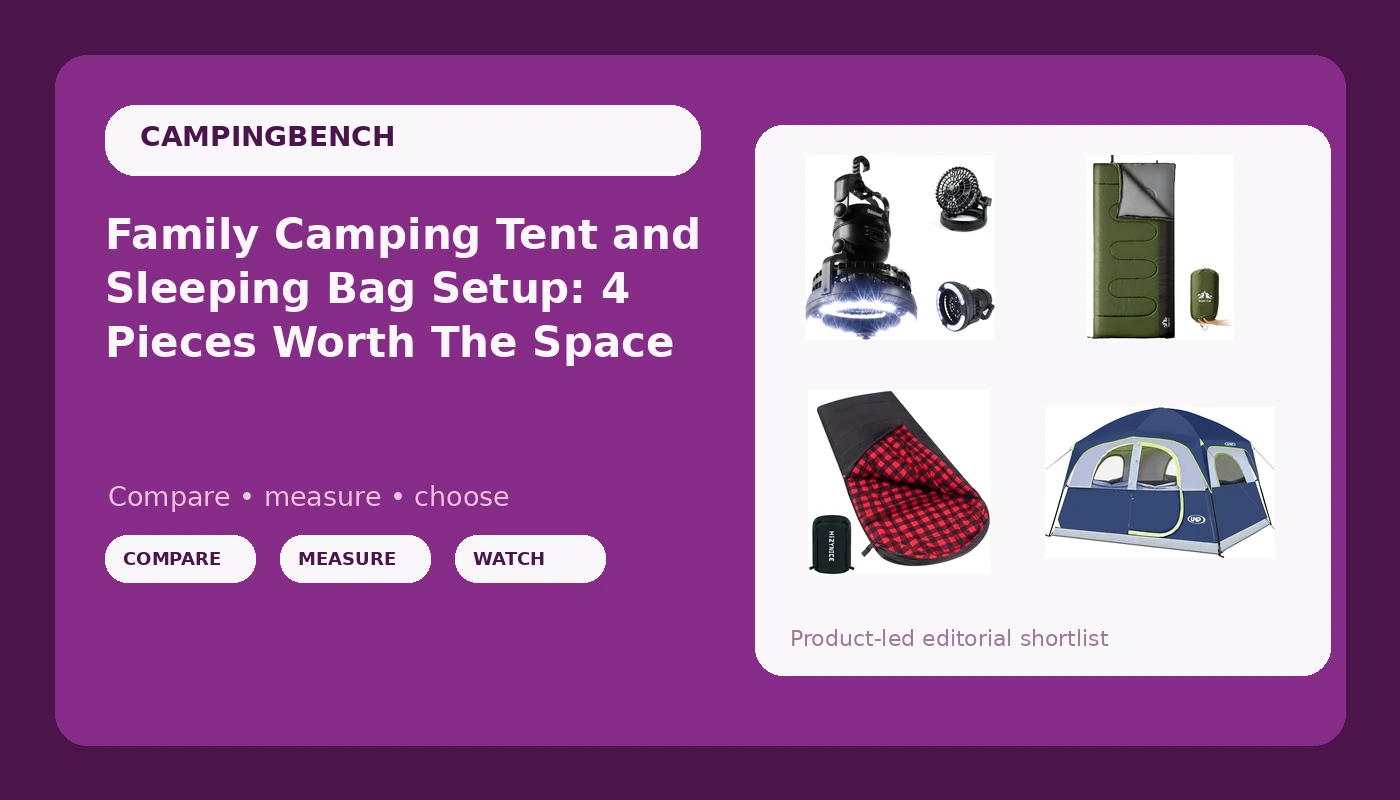
I have spent more than 500 nights in a tent, many of them while working as a park ranger in Central Oregon, and the trips that go sideways almost never fail because the tent was too small. They fail because the sleep system did not match the forecast, and because camp took 40 minutes to set up in the dark. When I plan a family camping tent and sleeping bag setup for a car-camping weekend, I stop shopping for features and start listing jobs: keep the rain out, keep the heat in, let hot air escape, and pitch fast enough that nobody is standing in a downpour holding a pole.
Related: Camping Tent Size Guide: How Many People Fit In A 4, 6, And 8 Person Tent
The four pieces below cover all four jobs. For most families in 2026, the setup that works is a cabin-style 6-person tent with a full rainfly, one XXL cold-weather sleeping bag for the person who always sleeps cold, one convertible 3-season bag for everyone else, and a lantern with a built-in fan for still August nights. That is the short answer. The longer answer is about where each piece earns its space in the truck and where it will let you down.
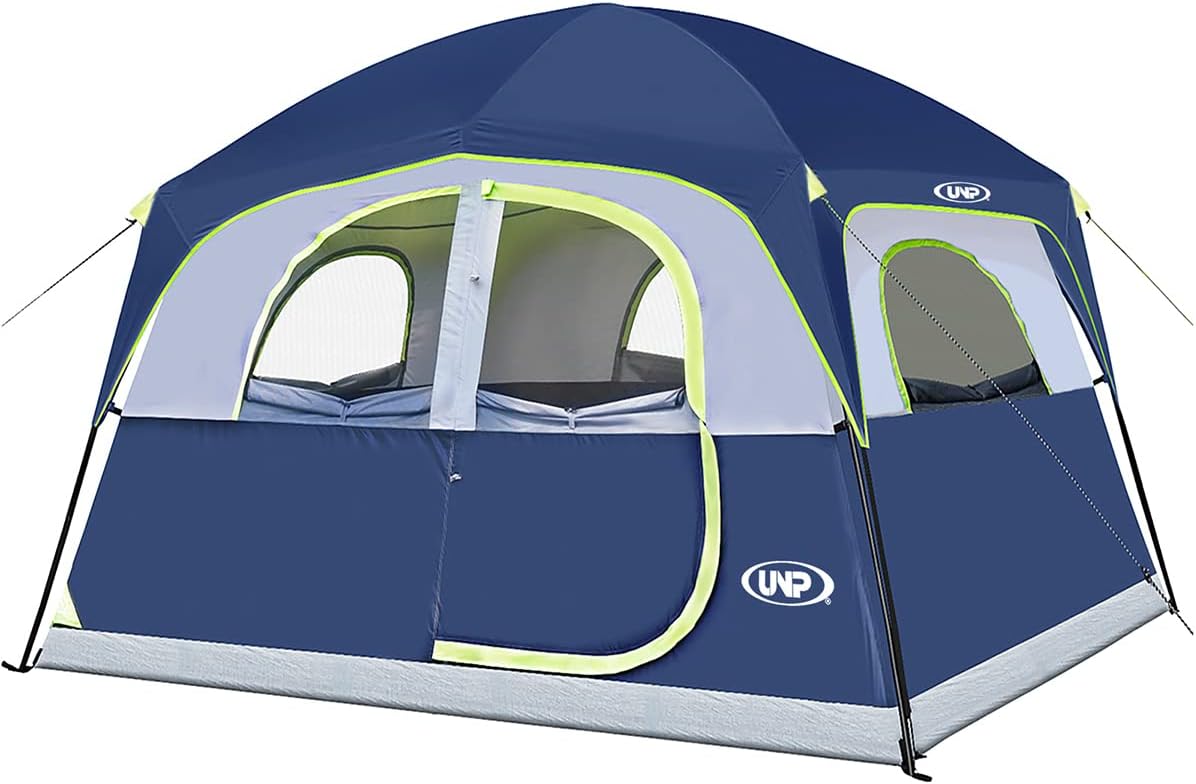
UNP 6 Person Tents for Camping Waterproof Family Cabin Tent with Rainfly
Cabin walls give standing height and room for cots, and the waterproof shell with a rainfly is built for real weather
Cabin tents are heavy and slow to pitch, so this is a truck-camping tent and nothing else
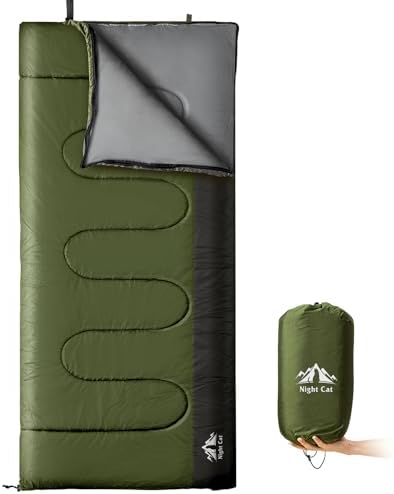
Night Cat Camping Sleeping Bag for Adults 3 Seasons
A 3-season bag rated 5-15 C at 2.6 x 6.3 ft that unzips into a quilt or blanket, which is the most useful trick in warm weather
The temperature range is shoulder season, not winter, and the quilt conversion is something you have to learn before you need it

HiZYNICE Sleeping Bags for Adults XXL Cold Weather
The XXL cut gives bigger sleepers shoulder room, which keeps the loft from compressing, and it is aimed at cold nights
A wide bag is bulky in the truck and takes up more room on a pad, so it is a poor backpacking choice
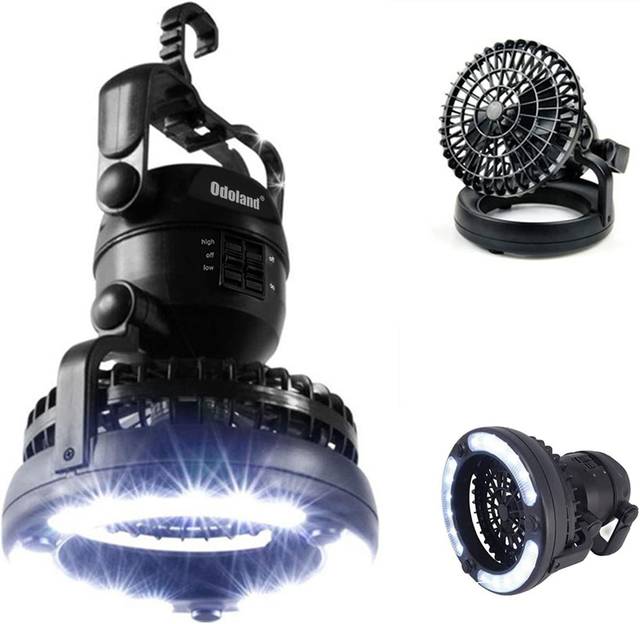
Odoland Portable LED Camping Lantern with Ceiling Fan - Hurricane Emergency
Light and moving air in one unit that hangs from a tent ceiling loop, and it doubles as a power-outage light at home
It is not a headlamp replacement on the move, and battery life depends entirely on fan speed
Prices and availability were captured from Amazon Creators API and may change.
How I judge a family camping setup
I have three rules, and I do not bend them for a sale price. First, a weight audit: everything in the kit has to be something I will actually carry from the truck to the site, and everything has to have a job. Second, a rain test: I do not call anything waterproof until it has been through a real storm, which is why seam sealing matters more to me than a marketing badge. Third, pitch time: if a tent takes 20 minutes on a calm day, it takes 40 in wind, and that is the number that decides whether your sleeping bags stay dry.
Everything in this comparison comes from what the manufacturers state in their own product descriptions, plus what this category of gear does well and badly. Where a number is not published, I say so instead of guessing. I am not going to pretend I have logged 15 nights in a tent I have never slept in. What I can tell you is how these four pieces fit together, what each one is actually for, and which one will disappoint you first if you buy it for the wrong trip.
The shelter: a 6-person cabin tent and the math of "6 person"
The UNP 6 Person Tents for Camping is a waterproof family cabin tent with a rainfly, and the word "cabin" is doing real work here. Cabin tents have near-vertical walls, which means standing height, which means you can change clothes like a human being and put a kid to bed without crawling. That is worth more than any spec on a tag when you are camping with children or with a partner who has never slept outside.
The honest math on capacity: a 6-person rating is a four-adult tent if those adults want to keep gear inside, and a comfortable two-adult plus three-kid tent if the kids are small. Tent capacity numbers are measured shoulder to shoulder with no gear and no dignity. Buy one size up from the number of people you are actually sleeping.
The rainfly is the part I care about most. A full-coverage fly that stakes out away from the body of the tent is what keeps condensation from soaking your bag from the inside, and it is what turns a waterproof shell into a waterproof system. Check the seams the day the tent arrives, seal anything that looks thin, and re-seal once a season. Waterproofing is a promise with an expiration date, and seam sealing is how you renew it.
The trade-off is weight and pitch time. Cabin tents are heavy, they use long pole sections, and they catch wind like a sail because of all that vertical wall. That is the deal you accept for standing room. This is a truck-camping tent. It is not going in a pack, and it should not be bought by anyone who plans to hike it anywhere.
Two sleeping bags, two different jobs
The mistake almost every family makes is buying two of the same bag. Temperature ratings are personal, and one person in your group sleeps hot while another sleeps cold. Buying two identical bags means one person is always uncomfortable.
The Night Cat Camping Sleeping Bag is the warm-weather half of the pair. It is a 3-season bag rated 5-15 C, sized 2.6 x 6.3 ft, and the feature that makes it interesting is the conversion: it switches to a quilt or a blanket. On a July night when the low is 60 F, a mummy bag is a sauna, and being able to open it flat changes the trip. That lower number, 5 C, is about 41 F, so read the range honestly. Most bag ratings are comfort versus survival numbers, and the low end is usually the "you will survive, you will not enjoy it" number. Treat 5 C as a shoulder-season figure and you will sleep well.
The HiZYNICE Sleeping Bags for Adults XXL Cold Weather is the other half. It is built for cold weather, and the XXL cut is the part that matters. A bag that squeezes your shoulders compresses the insulation around your torso, and compressed insulation does not insulate. Bigger sleepers, side sleepers, and anyone who rolls around all night do better in a wide bag, because the loft stays loft. The cost is bulk. A wide bag eats truck space and pad space, and it is a bad backpacking bag for exactly that reason.
Pair them by sleeper, not by trip. The person who is cold at 55 F gets the XXL bag. The person who kicks the covers off at home gets the convertible 3-season bag and opens it into a quilt. If you are buying only one bag for a family, buy the one that matches your coldest expected night, then bring a blanket for the person who runs warm.
Light and moving air: the lantern with a fan
The Odoland Portable LED Camping Lantern with Ceiling Fan is the piece people skip and then regret. In a cabin tent in August, still air is the enemy. A fan hanging from the ceiling loop moves that air, and moving air is the difference between a sticky night and a decent one. The same unit gives you light without a lantern-shaped shadow, and it doubles as an emergency light at home when the power goes out, which is a genuinely useful thing to own in a place with wildfire shutoffs.
Two caveats. First, bring spare batteries. A fan running all night at high speed will drain whatever cells you put in it, and the listing does not promise you a runtime figure. Second, a fan is not ventilation. You still want the mesh windows open, and when the weather allows, you want the rainfly staked off the tent body so air moves through the whole shell. The fan stirs the air inside; the fly position decides whether fresh air gets in at all.
The trade-offs nobody prints on the box
Run the weight audit on the whole kit, not on each piece. A cabin tent is the heavy item, two sleeping bags are the bulky items, and the lantern is small enough to live in a tote bag. The total is a truck load. That is fine for a family car camp and completely wrong for a backpacking trip, and trying to make one kit do both jobs is how people end up with a 40-pound setup that stays in the garage.
The second trade-off is warmth versus ventilation. A tent with a full rainfly and a waterproof shell is warm and dry and stuffy. A tent with open mesh is breezy and cool and damp in a storm. You cannot have both on the same night, which is why the fan and the quilt conversion matter so much: they let you fine-tune the sleep system without changing the shelter.
The third is pitch time versus living space. Cabin tents are slow and roomy. Backpacking tents are fast and cramped. If you camp in a place where afternoon storms roll in on schedule, a slow pitch is a real risk, and the fix is practice. Set the tent up once in the yard before the trip. Learn which pole goes where and which corner the fly clips to first. Pitch time is a skill, not a spec.
One piece is missing from this list on purpose: sleeping pads. They matter as much as the bag, and the number to check is R-value, the insulation rating of the pad. A great bag on a bare tent floor will still leave you cold, because the ground pulls heat out of you all night. If your budget is tight, buy the pad before you upgrade the bag.
Matching the setup to the trip
Hot summer car camp. Cabin tent, mesh windows open, fly staked off the body, convertible bag in quilt mode, fan lantern running. This is the trip this kit was built for, and it is the one where the lantern earns its place.
Shoulder season with lows in the 40s. Same tent, fly on and guyed out, XXL cold-weather bag for the cold sleeper, 3-season bag zipped up for the warm sleeper. Add a beanie and dry socks. Most people lose heat through their head and feet before their torso.
Wet weekend. Fly on, seams sealed, guy lines staked so the fly does not touch the inner wall. Wet fabric conducts heat away from a sleeping bag, so keep your bag off the tent wall and off the floor. A trash bag for the packs costs nothing and saves a dry bag.
Backpacking trip. None of this. A cabin tent is not a backpacking tent, a 6.3 ft convertible bag is a car-camping bag, and the fan lantern stays home. This is a different kit for a different trip, and knowing which one you are packing is the whole skill.
What I would buy first
If you are starting from nothing, buy in this order. Tent first, because shelter decides whether the trip happens at all. Then the sleeping bag that matches your coldest expected night, which for most families means the cold-weather bag for one sleeper and the convertible 3-season bag for the other. Then the lantern with the fan, which is cheap comfort and also a home emergency light. Pads after that, and only then the accessories.
If you already own a decent tent, skip the shelter entirely and put the money into the sleep system. A dry, warm night is what people remember about a camping trip. Nobody has ever come home talking about how roomy the vestibule was.
What I am testing next
The 2026 two-person backpacking tents are on the bench right now, four units with a 30-day field trial each and a rain test that would make most manufacturers nervous. Early read: the weight claims are mostly honest this year, and the pole designs are getting genuinely clever. Full report when the last tent has been through a real storm, not a sprinkler.