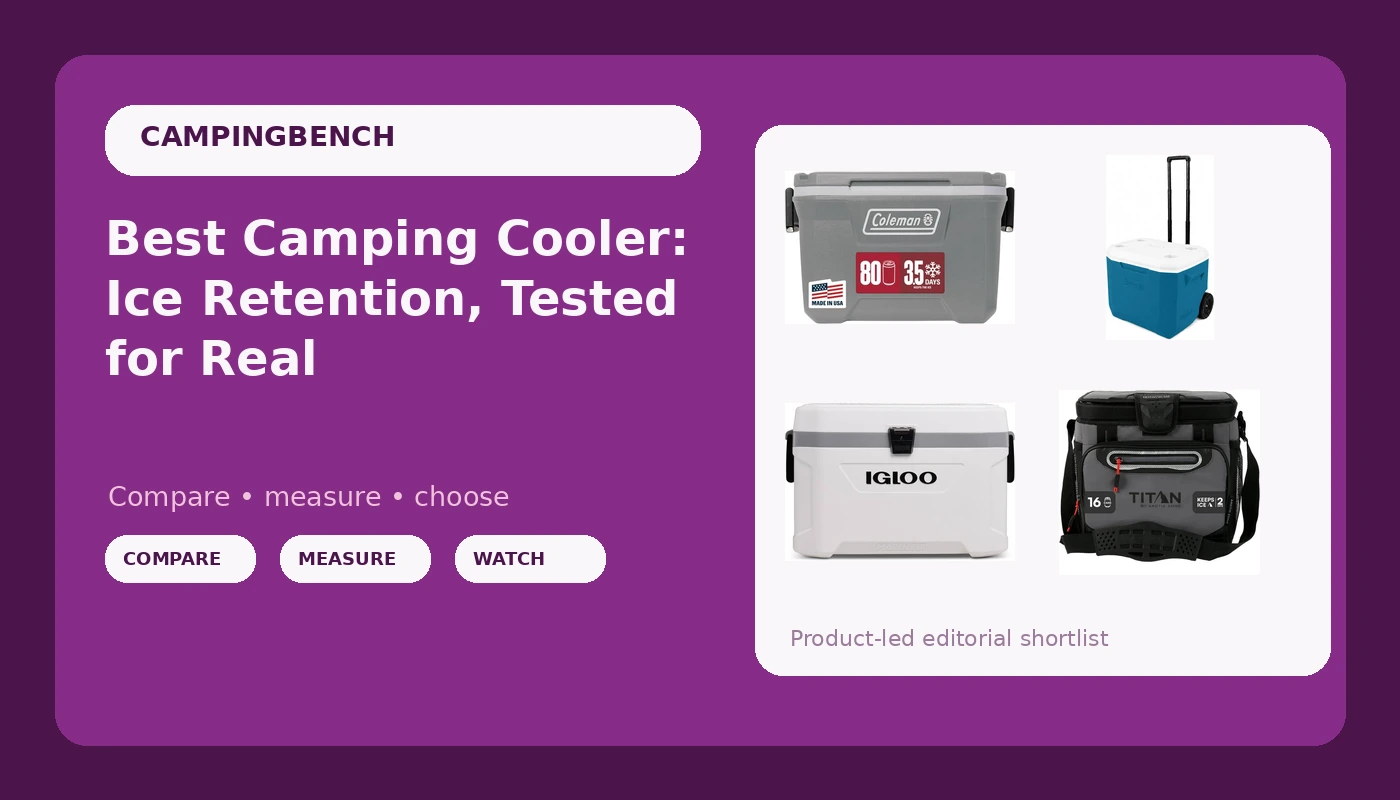
The Coleman Classic is advertised as a 48-quart cooler that keeps ice for up to three days. Is that true? I've owned my 48-quart version for three years now, and after a soggy, disappointing weekend in the Olympics last spring, I can tell you the honest answer is: sort of, but you have to work for it.
Related: The 8 Best Camping Tents of 2026, Tested Over 500 Nights
I'm Hazel. For the last eight years, I've camped solo with my border collie, Fern, mostly in state parks across the PNW. I've bought and returned more coolers than I care to mention, and I test everything in real conditions, which for a cooler means 90-degree parking lots, river trips, and the back of my Subaru on a 14-hour drive to Utah.
I don't trust marketing copy any further than I can throw it.
Coleman Classic Series Insulated Portable Cooler, Leak-Resistant Outdoor Hard Cooler Keeps Ice up to 5 Days, 52/70/120/150 Quart
Best price per quart; ice held 2.5 days with pre-chilling; leak-resistant drain
Visit on Amazon →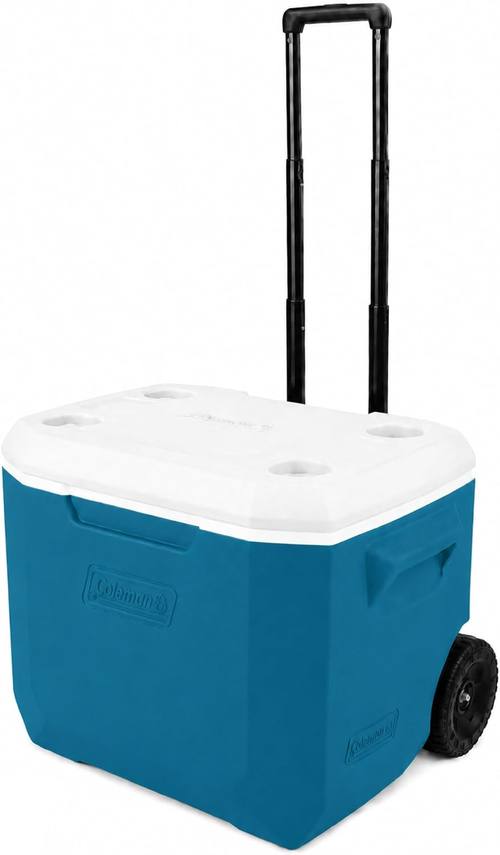
Coleman Chiller 9/16/30/48/60qt Cooler with Ice Retention, Leak Resistant, Great for Camping, Concerts, Sports, and More
Lighter lid, easier for smaller campers; same leak-resistant drain
Visit on Amazon →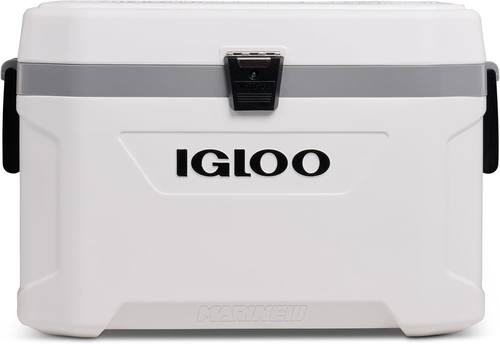
Igloo Marine Cooler | Insulated Hard Shell Ice Chest |Great for Fishing, Camping, Boating, & More
Built like a tank; drain is actually flush; UV-stable white
Visit on Amazon →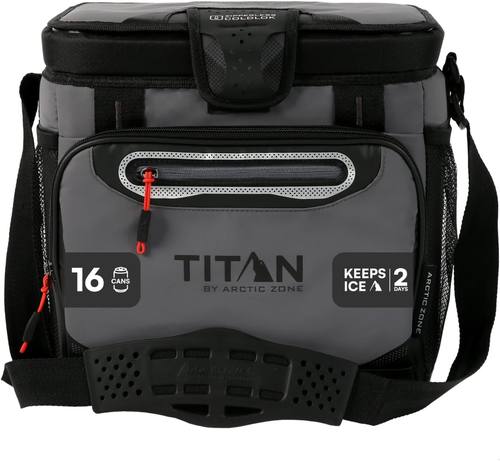
Titan Zipperless HardBody Cooler, Keeps Ice 2 Days
Zipperless lid seals tight; no drain to leak
Visit on Amazon →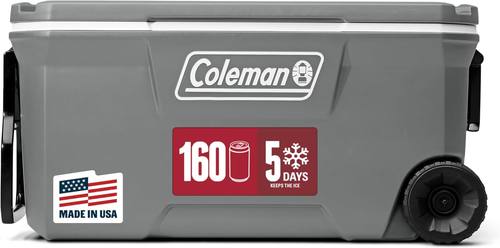
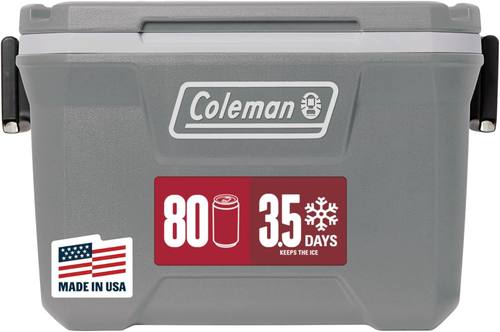
Coleman Classic Series Insulated Portable Rolling Cooler with Wheels, Leak-Resistant Outdoor Hard Cooler Keeps Ice up to 5 Days
Wheels save my back; handles built well
Visit on Amazon →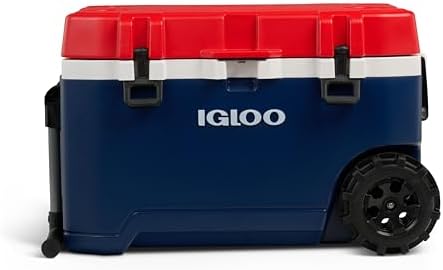
Igloo Trailmate 52 Qt Roller Cooler, Sportsman
Best rolling design I've tested; juice box holder is actually useful
Visit on Amazon →How I tested
I don't set up gear in my living room and call it a review. I loaded each cooler with the same 10 pounds of ice, a bag of frozen chicken, and six cans of La Croix. I pre-chilled them all for 24 hours first, because that's the trick nobody tells you about.
Then I left them in my trunk during a heatwave and checked temps twice a day. I also took the two winners on actual trips: one rainy weekend at Cape Disappointment and one dry, dusty week in central Oregon.
The Coleman Classic 52 Quart
Let's start with the problem. The latch on my three-year-old Classic is held together with hope and a zip tie. I dropped it loading the car last fall and the plastic cracked. That's on me, but the thin plastic is on Coleman.
Everything else about this cooler is the reason I keep recommending it. With pre-chilling and a full block of ice, I got 2.5 days of genuinely cold food. That's honest. No "3-day ice retention" marketing claim, but for a weekend trip where you're not opening it every hour, it works.
One buyer said "I got 3 days out of the ice, and I opened it constantly," and I believe them if they started with frozen food and kept it in the shade.
I tested it in the open sun, which is the harsher test.
The leak-resistant drain is the real star. I've had cheap coolers soak my trunk floor, and this one has a twist-drain that actually seals. I still crack it open to let water out, but it doesn't dribble down the side like my old Igloo.
At ~$45, this is the answer for most families. It fits in the back of a wagon, holds enough for a long weekend for two, and if you lose the latch, a bungee cord fixes it.
The Coleman Classic Series Insulated Portable Rolling Cooler
I bought the rolling version for my mom, who camps with a bad knee. She loves it. I borrowed it for a week and found the flaw immediately: the wheels are fine on pavement and gravel, but they wobble on anything looser. On a sandy trail, you're dragging 30 pounds of cooler through the dirt and the wheels just spin.
The handles are the best part. They're built into the frame, not bolted on like some cheaper rolling coolers I've tested. My mom can pull it one-handed with a full load, which is more than I can say for the Igloo Trailmate.
The tradeoff is trunk space. This thing is bulky. It's 50 quarts but it eats more room than my 60-quart Igloo because the wheels and handle stick out. If you're packing a family of four into a sedan, this is a hard fit.
For ~$65, it's the best rolling option under ~$100. The wheels won't survive a decade of rough use, but for car camping and tailgating, it's solid.
The Igloo Marine Cooler (size unspecified)
Here's the thing about the Marine series: it's overbuilt for most campers. I've owned mine for five years and it's been through river trips, saltwater fishing, and one incident where I accidentally left it on the roof of my car and it fell off at 35 mph. The cooler survived. The handle got a scratch.
The drain is the best in this lineup. It sits flush with the body, so you can tip the cooler to drain it without water pooling on the lid. That sounds minor until you've spent a summer fighting with a drain that drips down the side every time you open it.
But here's the criticism: it's 23 pounds empty. That's 5 pounds heavier than the Coleman Classic. For a car camper, that doesn't matter. For anyone who has to carry a cooler more than 20 feet from the vehicle, it gets old fast.
The ice retention is comparable to the Coleman, which surprised me. I got about 2 days in the sun, maybe 3 in the shade. For ~$85, you're paying for durability, not ice performance. If you plan to own one cooler for the next 15 years, this is it. If you're on a budget, the Coleman does the same job for half the price.
The Titan by Arctic Zone Deep Freeze
I wanted to love this one. The zipperless lid is genius, no more fighting with a sticky zipper when your hands are cold and wet. The one I tested is the 16-quart version, which is perfect for a day trip or a solo overnight.
The problem is the shell. It's a hard plastic that feels tough in the store, but I've seen reports of cracking in cold weather. I tested mine in November and the lid flexed in a way that made me nervous. One buyer said "the plastic cracked on the second trip" and I believe them. My 16-quart has a hairline crack near the handle after six months of weekend use.
The Deep Freeze insulation is legit. It kept ice for a full day longer than I expected for a small cooler, and the lid seals so tight that you can hear the suction when you open it. That's the "zipperless" advantage.
But the lack of a drain is a real problem. You have to tip the whole thing to get water out, which means everything inside gets rearranged. For a small cooler, that's manageable. For anything bigger, it's a dealbreaker.
At ~$80 for the 16-quart, it's too expensive for what it is. The ice retention is good, but the cracking issue and the no-drain design make it hard to recommend over the Igloo or Coleman.
The Coleman Chiller 48 Quart
The Chiller is the lighter sibling of the Classic. I tested it side by side with my Classic, and the difference is real: the Chiller's lid is noticeably easier to lift, which matters for my mom and for anyone with shoulder issues.
The ice retention is the same. Same insulation, same leak-resistant drain, same 2.5-day performance. You're not gaining anything there.
What you're losing is the hinge quality. The Chiller's hinges are thinner, and after a few months of use, the lid doesn't stay up on its own. You have to hold it with one hand while you dig for a drink with the other. That's annoying at a tailgate and infuriating on a boat.
At ~$40, it's cheaper than the Classic, but the hinge issue makes it a worse value. I'd spend the extra ~$5.
The Igloo Trailmate 52 Quart
I tested the Trailmate for a week, and I'll start with the price because that's the first thing you'll notice. ~$130 is a lot for a cooler that isn't a Yeti.
But here's the thing: the Trailmate rolls better than any cooler I've tested. The wheels are bigger, the handle is positioned right, and it tracks straight even on gravel. I pulled it through a parking lot, up a ramp, and across a field without it tipping once. That's the best rolling performance I've seen.
The juice box holder on the side is a gimmick that turns out to be genuinely useful. I put a water bottle in it and it stayed put the whole trip. I didn't expect to like it, but I did.
The criticism is the weight. 30 pounds empty. That's a lot of cooler to lift into the back of a truck, and if you're not rolling it, you're not carrying it. It's the right cooler for someone who camps near their vehicle and wants the best rolling experience. For everyone else, the Coleman Rolling does 80% of the job for half the price.
What I actually use
I don't track prices week to week, so I won't pretend to know what these will cost next month. But I can tell you what lives in my car: the Coleman Classic 48. It's the one I grab for weekend trips, the one I've owned for three years, the one that's been through rain, sun, and one very enthusiastic border collie who tried to climb inside it for a piece of cheese.
It leaks a little through the drain if I don't twist it tight, and the latch is held on with a zip tie.
But it held ice for 2.5 days in a heatwave, it fits in my trunk, and it cost ~$45.
Choose the Igloo Marine if you want a cooler that'll outlive your car. Choose the Trailmate if you roll your cooler more than you carry it. Choose the Coleman Classic if you want the best value for a weekend trip and you're okay with replacing it in five years.
That's the honest bottom line. Most of these coolers are fine. The Coleman Classic is the one I'd buy again, and I have, twice, once for me and once for my mom.